
STWF Sports | Dec. 26, 2025 – Netflix’s Christmas Day experiment with the NFL was always going to be a gamble. Big stage. Big audience. Big expectations. What the streaming giant couldn’t control, however, was the quality of the football itself — and that ultimately defined a sluggish Vikings–Lions matchup that left viewers divided on both the game and the broadcast.
Minnesota’s 23–10 upset of Detroit was less a festive showcase and more a turnover-filled slog. In a must-win game for the Lions, mistakes piled up quickly and often. Six turnovers — interceptions, fumbles, and mental errors — handed the Vikings short fields all afternoon and effectively ended Detroit’s postseason hopes before Christmas dinner was served.
Undrafted rookie quarterback Max Brosmer was thrust into the spotlight, and while the result went his way, the performance was anything but polished. Brosmer finished 9-of-16 for 51 passing yards and was sacked seven times for a loss of 48 yards. Minnesota somehow managed just three net passing yards as a team and still won by 13 points — a stat line that says far more about Detroit’s collapse than the Vikings’ execution.
The game itself was difficult to watch, but the broadcast drew nearly as much criticism as the football. Fans vented their frustration throughout social media, with many targeting Netflix’s production choices rather than the result on the field. In-game interviews with retired legends — including Cris Carter and Barry Sanders — aired during live action, disrupting the flow and, at times, replacing game audio altogether.
Viewers weren’t shy about voicing displeasure. Complaints ranged from audio issues and awkward timing to the overall tone of the broadcast. Some felt the presentation leaned too heavily into spectacle and promotion, particularly when sideline features were used to tease upcoming Netflix projects rather than enhance the football experience.
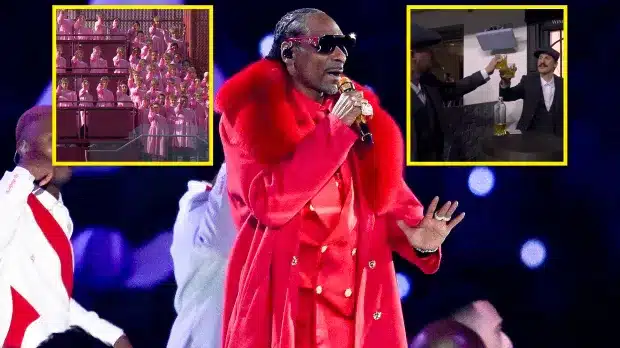
A British pub-themed suite referencing the upcoming Peaky Blinders film and characters from Stranger Things appearing earlier in the day were clever crossover ideas — but for fans locked into a playoff-impacting NFL game, it felt like a distraction. For others, it was exactly the kind of creative flourish they expected from a streaming platform unafraid to do things differently.
That’s the balancing act Netflix now faces as it continues its push into live sports. Traditional NFL viewers want clean visuals, minimal interruptions, and a broadcast that stays out of the way of the game. Netflix, meanwhile, is clearly interested in blending football with its broader entertainment ecosystem. Sometimes that innovation lands. Sometimes it doesn’t.
One area that did unite opinion — at least more than the rest — was the halftime show. Snoop Dogg headlined the break in Minnesota, delivering a high-energy performance packed with recognizable hits and holiday flair. Dressed in a red suit with a fur-trimmed jacket, the rap icon leaned into the moment, turning halftime into a cross-genre spectacle.
The show featured appearances from K-Pop group Huntrix, country star Lainey Wilson, and opera performers Andrea and Matteo Bocelli. The eclectic mix drew praise from some fans who appreciated the ambition and variety, calling it one of the more entertaining halftime offerings outside the Super Bowl. Others felt the guests overshadowed Snoop himself, but even critics acknowledged the production value.
Ultimately, Netflix didn’t fail because of the broadcast. It didn’t fail because of Snoop Dogg. And it didn’t fail because of innovation. It suffered because the game itself never rose to the occasion.
Ugly football happens — especially late in the season with pressure mounting and playoff hopes on the line. Netflix delivered a technically solid broadcast with moments of creativity and missteps alike. The problem wasn’t the platform. It was the product between the lines.
And no amount of star power or streaming innovation can fix that.